The Ionic Age: Metal Recovery and Energy Storage You Can Make
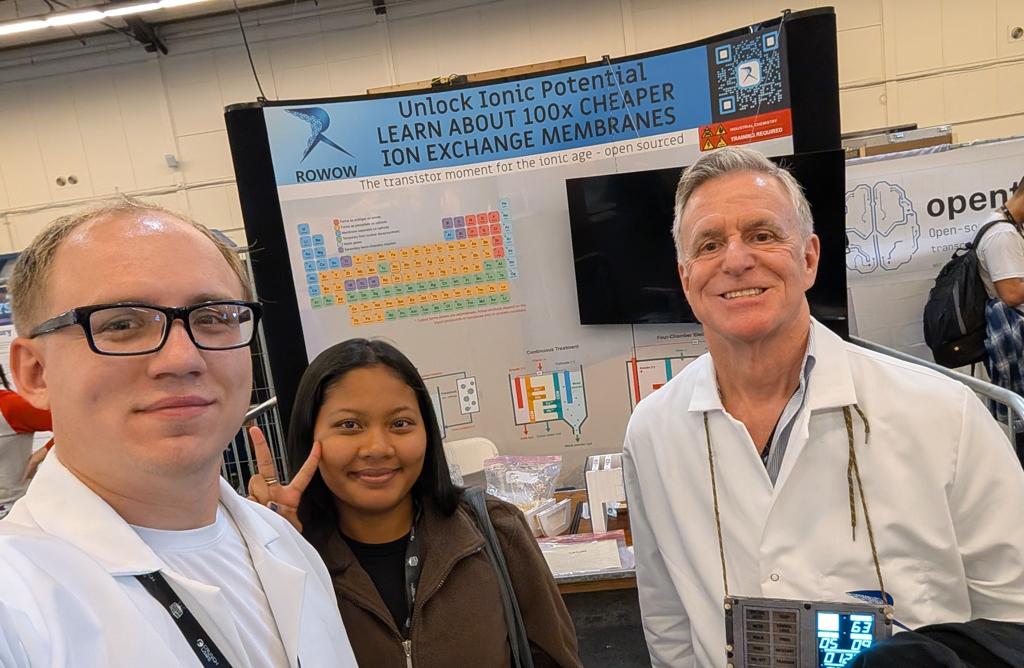
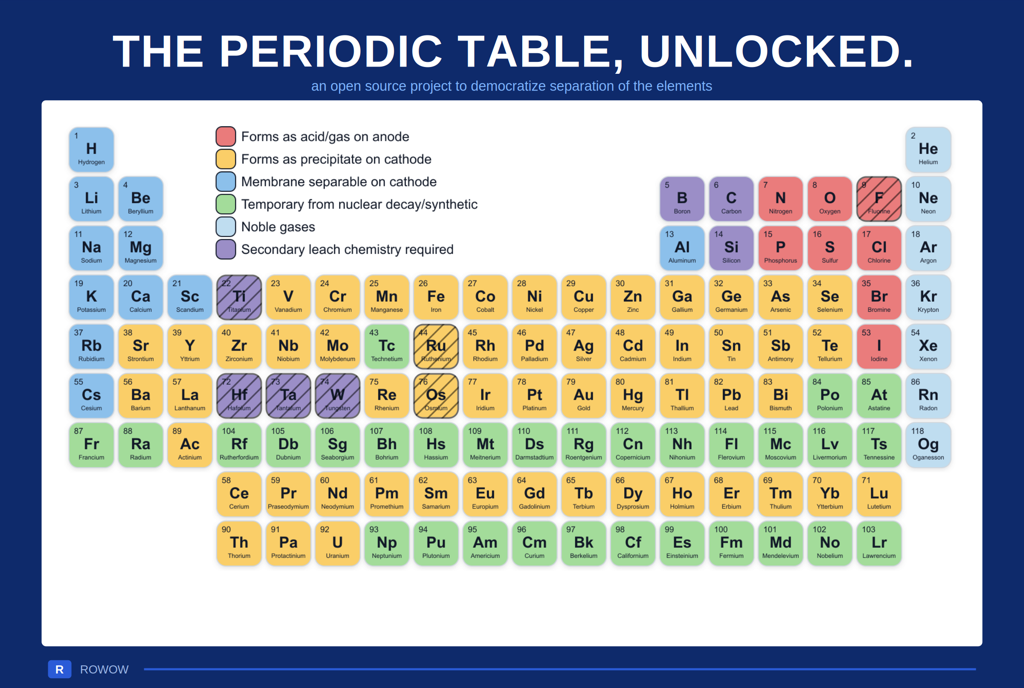
An ion exchange membrane is an impermeable sheet that lets certain ions through and blocks the rest. That one part sits inside flow batteries, fuel cells, the plants that make chlorine and lye, water treatment stacks, and metal refining cells. In the small quantities a maker can buy, a commercial membrane costs hundreds of dollars per square foot. We make ours from off-the-shelf materials for about a dollar per square foot, and the recipe is published as open source hardware.
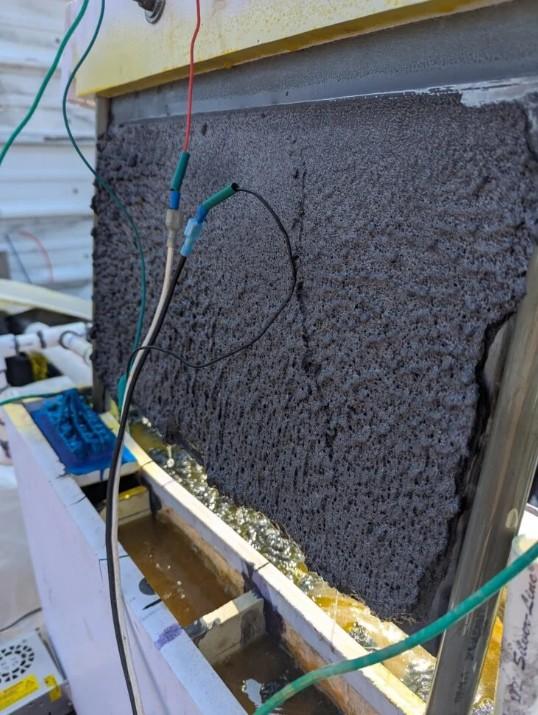
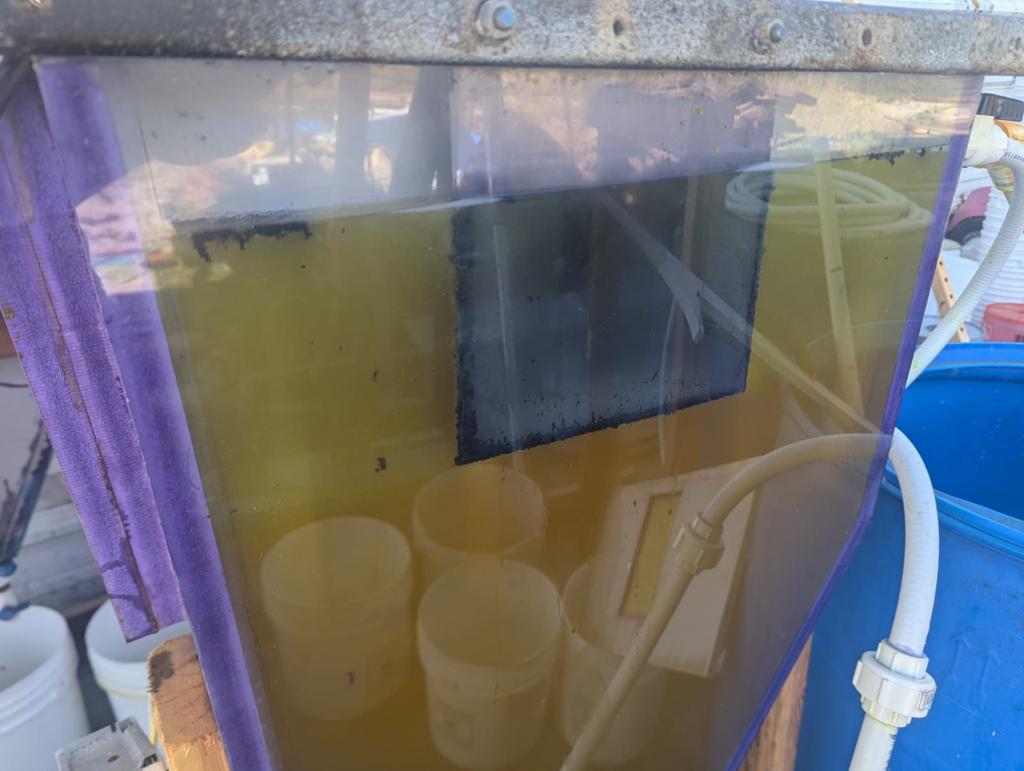
Two live cells on the table show what that sheet can do. In the first, electricity pulls copper through the membrane and grows it back as solid metal on a plate while you watch, at room temperature, on less power than a laptop charger. In the second, a small flow battery stores electricity in two tanks of colored liquid: one cell charges from a power supply while a second cell runs a motor on what the liquid holds. Everything within reach of visitors is secure, dry, and safe to touch.
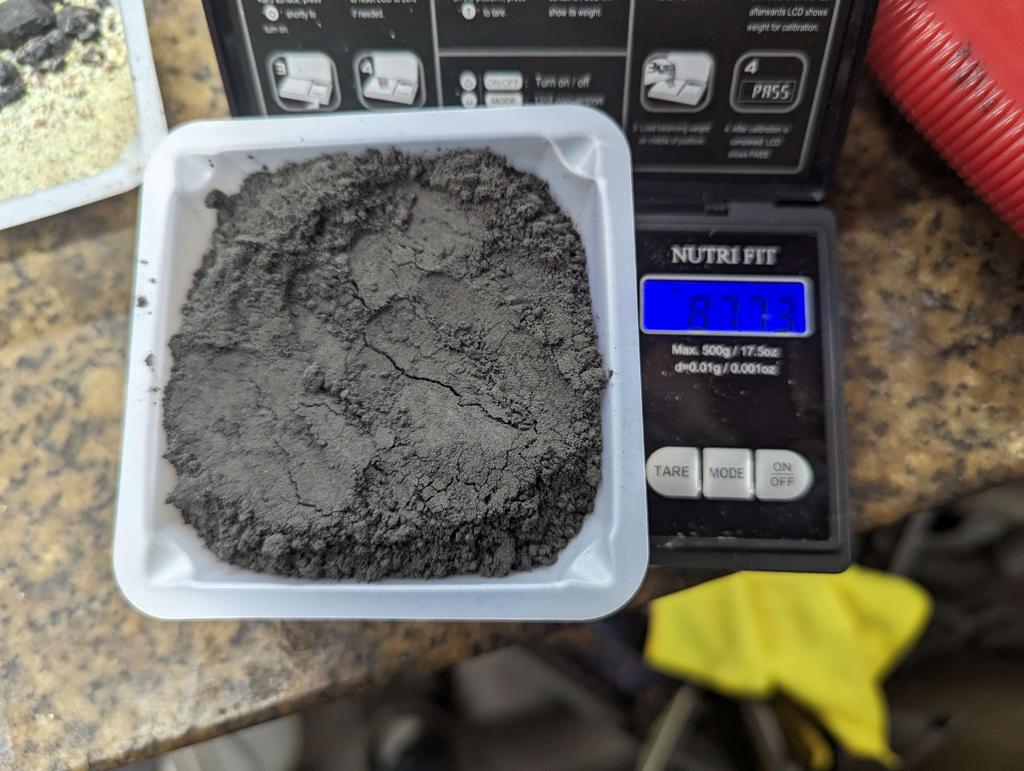
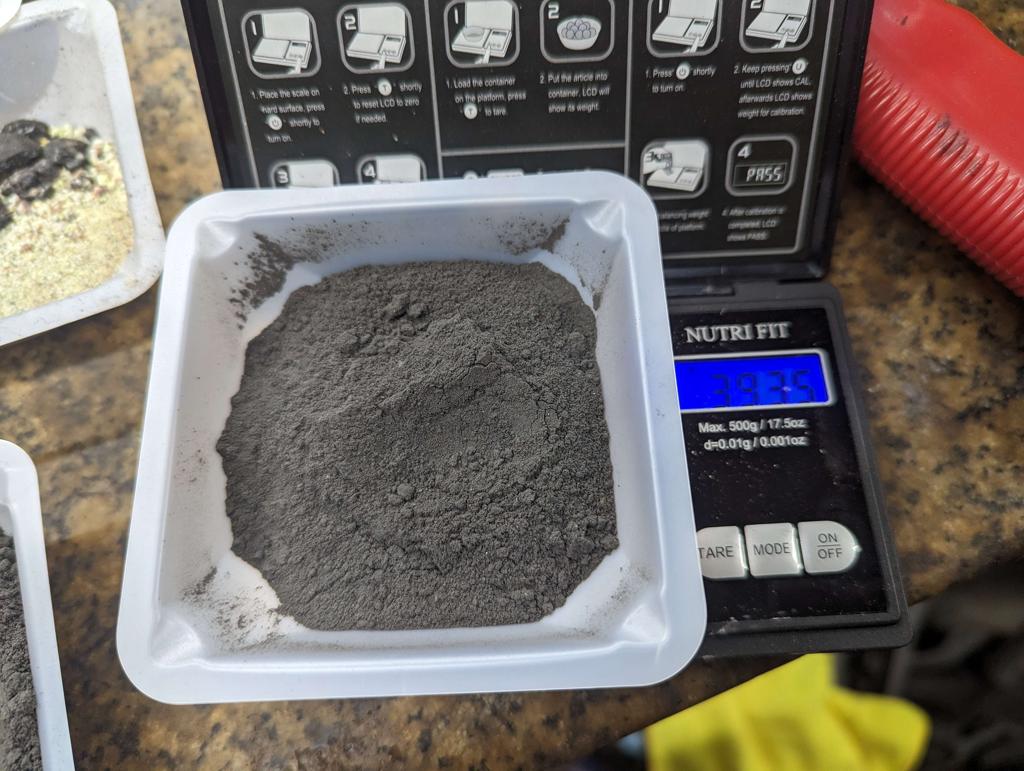
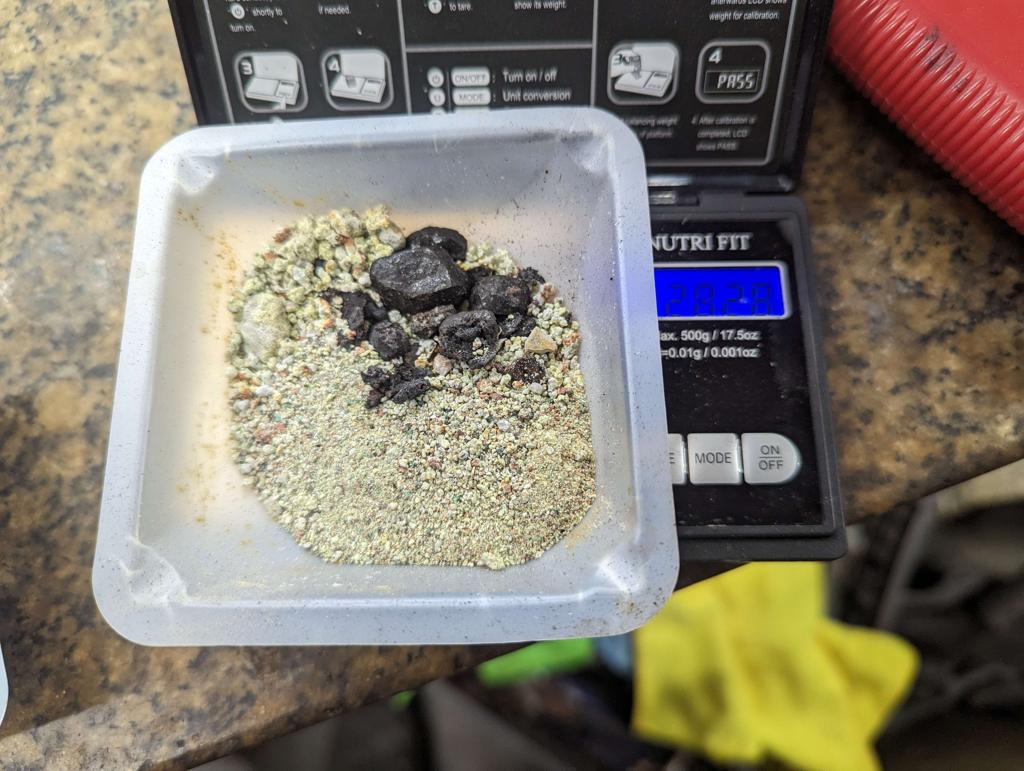
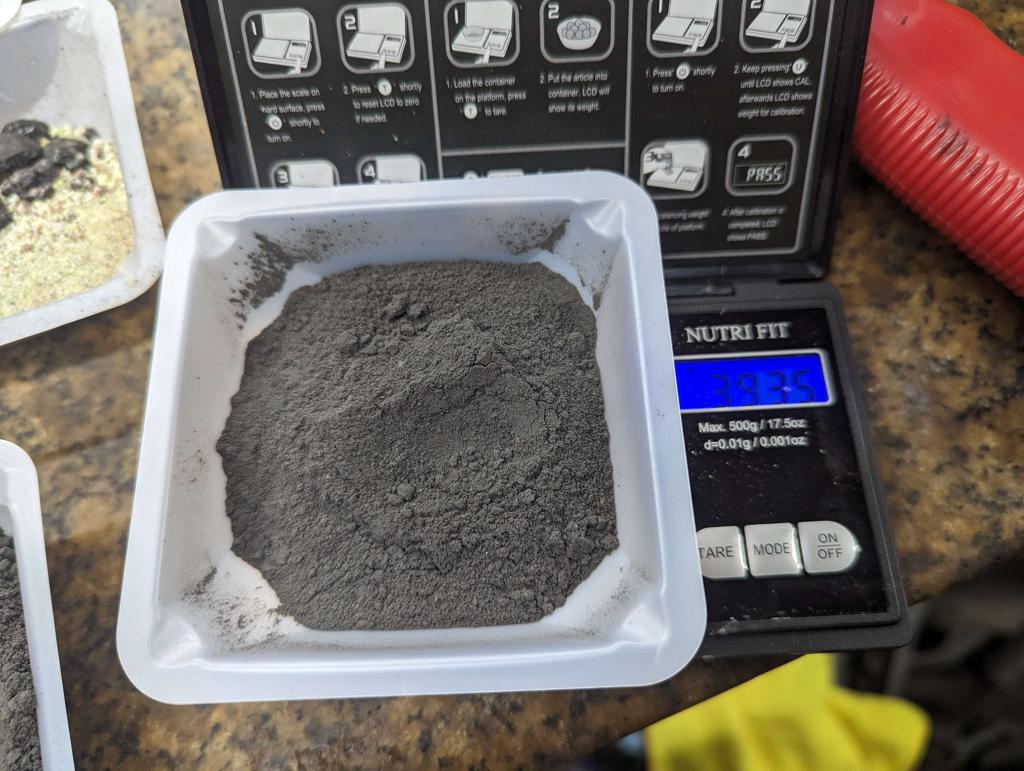
Around the cells you can handle real results: vials of recovered metals, membrane swatches to touch and flex next to the materials they are made from, and a brochure to take home for more information. A short video loop shows content creators replicating the membrane, which can be made in under two minutes. The build guide, the design files, and the patent license are public, so a builder can leave this booth and make a working cell at home for less than the cost of a video game.
Maker

Rowow S.E.M Technology
More to Explore
Browse other exhibits in these categories.